
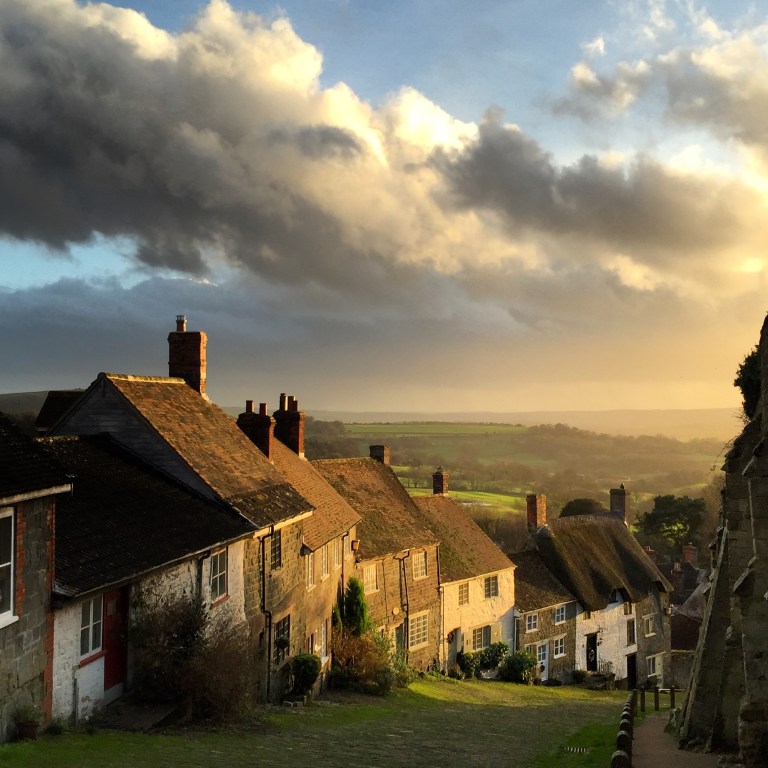
When I worked in the tourism industry, we used to talk about some destinations, usually small market towns, as ‘pee and tea’ stops. Being described as such wasn’t entirely positive: it usually meant that the town had just one attraction, or one reason for visiting, and the visitor spend per head (and therefore contribution to the local economy) was worth little more than the price of a cup of tea.
To the uninitiated, Shaftesbury could be described as a pee and tea stop. It is home to the world-famous Gold Hill, seen on the lid of many a box of fudge, in countless ‘Beautiful Britain’ calendars, and of course in Ridley Scott’s famous advert for Hovis bread. And this is all that many visitors come for: a quick photo of that view, so quintessentially English, maybe a cream tea at the cafe at the top of the hill, the aforementioned comfort break, and then it’s back on the A303 or A30 and on with the journey west.

I’m no different: Gold Hill was the reason I first visited Shaftesbury. I was taken there as a somewhat reluctant 12-year-old by my aunt and uncle, who still live 20 minutes away. I don’t remember what time of year it was but I do remember that it was rather cold and misty (as it can sometimes be) and I was certainly rather underwhelmed by it all. Things picked up a little when I discovered that the delightfully idiosyncratic gentlemen’s outfitters in the town, Squires (still going strong in 2018), sold braces and I was able to spend my hard-saved pocket money on a white pair to set off my snow-washed denim jeans. Well, it was the 1980s …
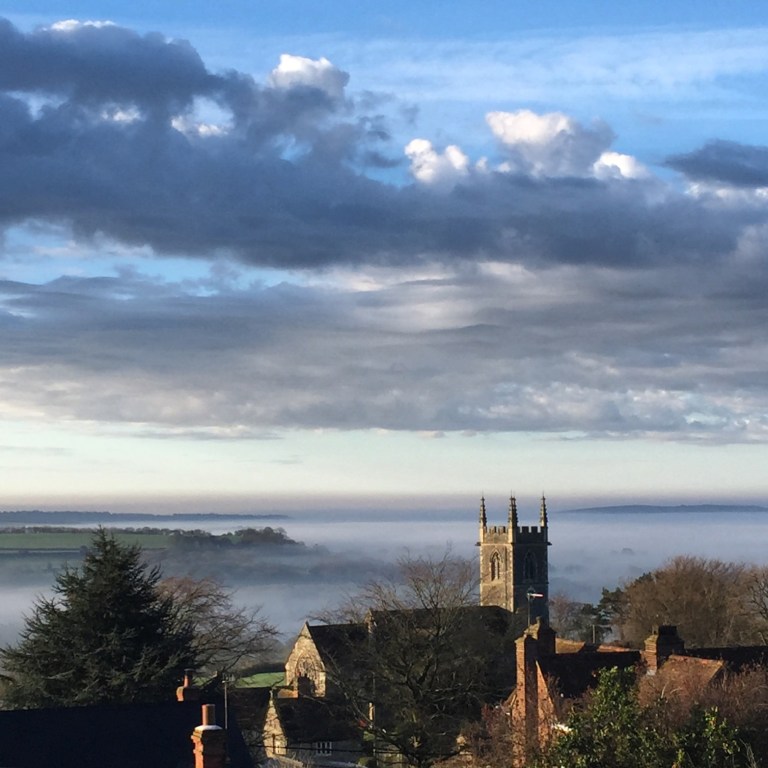
Fast-forward 17 years and I found myself in Shaftesbury once again, this time with N, en route from Ikea in Bristol with a carful of treasures for our newly purchased first home together, a flat in Southampton city centre. (Funny how different our aspirations were then.) We were taking the scenic route back to Hampshire following an invitation to call in for dinner at my aunt and uncle’s. We’d made good time from Bristol and found ourselves with an hour to kill. ‘Shaftesbury’s nice,’ I said vaguely, wondering whether the chilly town I remembered from childhood would resonate more with this almost-30-year-old.
It did.
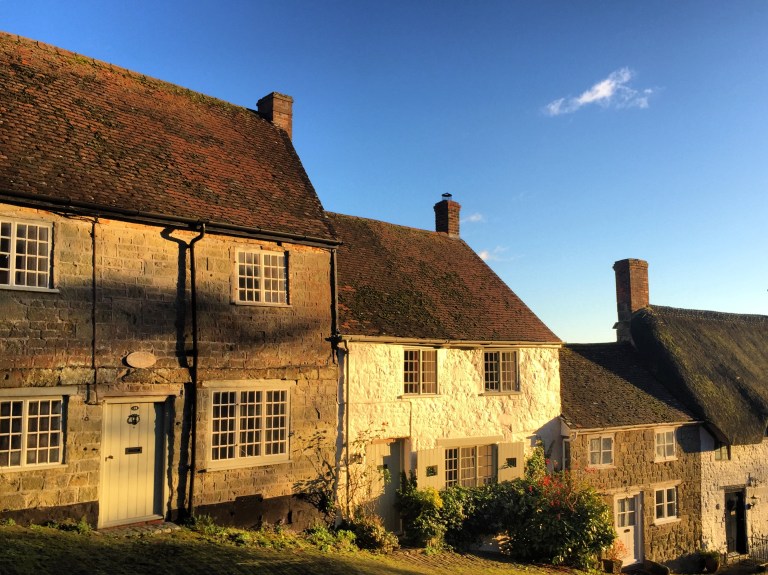
There was something rather magical going on in the town that day. The first thing that struck me was the light, which was somehow clear, soft and bright all at the same time. Then I noticed the independent shops: the buckets of flowers outside the greengrocers, the cafe-slash-art gallery with a beautiful walled garden (sadly no more), the bustling arts centre. I noticed that the people looked happy (they smiled an awful lot more than the people in Southampton) and purposeful. And then there were the views. This time we explored beyond the obvious sight of Gold Hill, as lovely as it is, and discovered that Shaftesbury is in possession of an embarrassment of riches when it comes to sweeping vistas, including the spectacular one from the pedestrianised promenade known as Park Walk. (I will write more about Shaftesbury’s views and why it is justifiably becoming known as ‘the high point of Dorset’ in a separate post.) But more than all of these aforementioned attractions, we both immediately felt a strong sense of ‘pull’ for the town without really knowing why. It was certainly at odds with where we were with our lives at that point in time, having just enthusiastically exchanged contracts on our flat in the centre of a big and bustling city.
‘Park that thought,’ said N, rather presciently, ‘Maybe this is one for the future.’
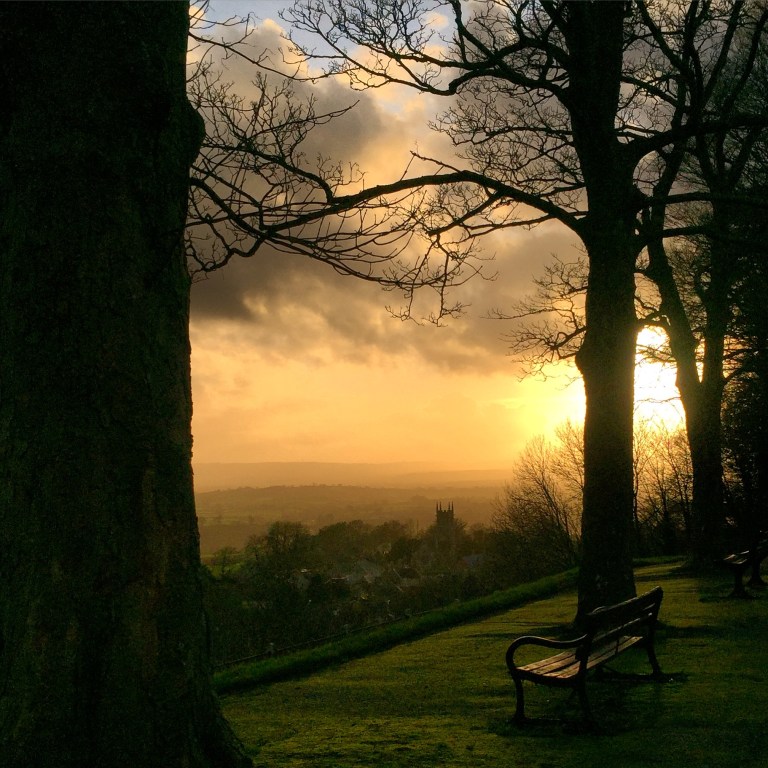
Fast-forward another seven years. City living had run its course, most of our friends had young families, nights out were fewer and further between, and N and I had discovered a love of camping and coast-path walking in Dorset. Plus, we were both desperate to have a garden. (When does that urge to grow things kick in? I can’t remember the precise moment but I recall there came a point when a few pots on a city balcony just weren’t cutting it anymore.)
We started to ruminate on the idea of moving to the Dorset coast, which was where we liked to bolt on any and every available weekend (and still do today). I’d worked out that I could probably just about manage the commute back to Hampshire for my job – it was a long journey but worth it, I felt, for the compensation of living in the county that we’d both come to love. There was only one problem: the coast was just too expensive. Even with the increase in value in our flat, we couldn’t stretch to anything within sniffing distance of the sea.
So our search headed inland. We looked at lots of towns and villages as we headed further north and further away from the coast, having realised that a sea view wasn’t the be all and end all, as nice as it would have been. ‘How about Shaftesbury …?’ N said, reminding me how much we’d liked the town all those years before. Visiting again felt like coming home, and home it’s been for the past 11 years now. The coast is still our weekend bolt hole – we can be at Lulworth Cove in an easy 45 minutes – but Shaftesbury is where we belong.
Need to know
Parking: Bell Street car park is the biggest car park in the town and centrally located. The tourist information centre is located by the entrance on Bell Street.
Refreshments: There’s no shortage of places to eat in the town, from pubs to cafes to the Grosvenor Arms, Shaftesbury’s thriving boutique hotel.
Public transport: The nearest railway station is Gillingham, which is a 10-15 minute taxi ride from Shaftesbury.
Further info: Shaftesbury Tourism website
 Dorset for Days
One thought on “Shaftesbury: how I came to live in ‘the high point of Dorset’”